
Wisdom teeth often do not fully erupt, or remain impacted, because there is not enough room in the jaw. If they cause pain, gum inflammation, decay in the neighboring tooth or crowding, removal is recommended.
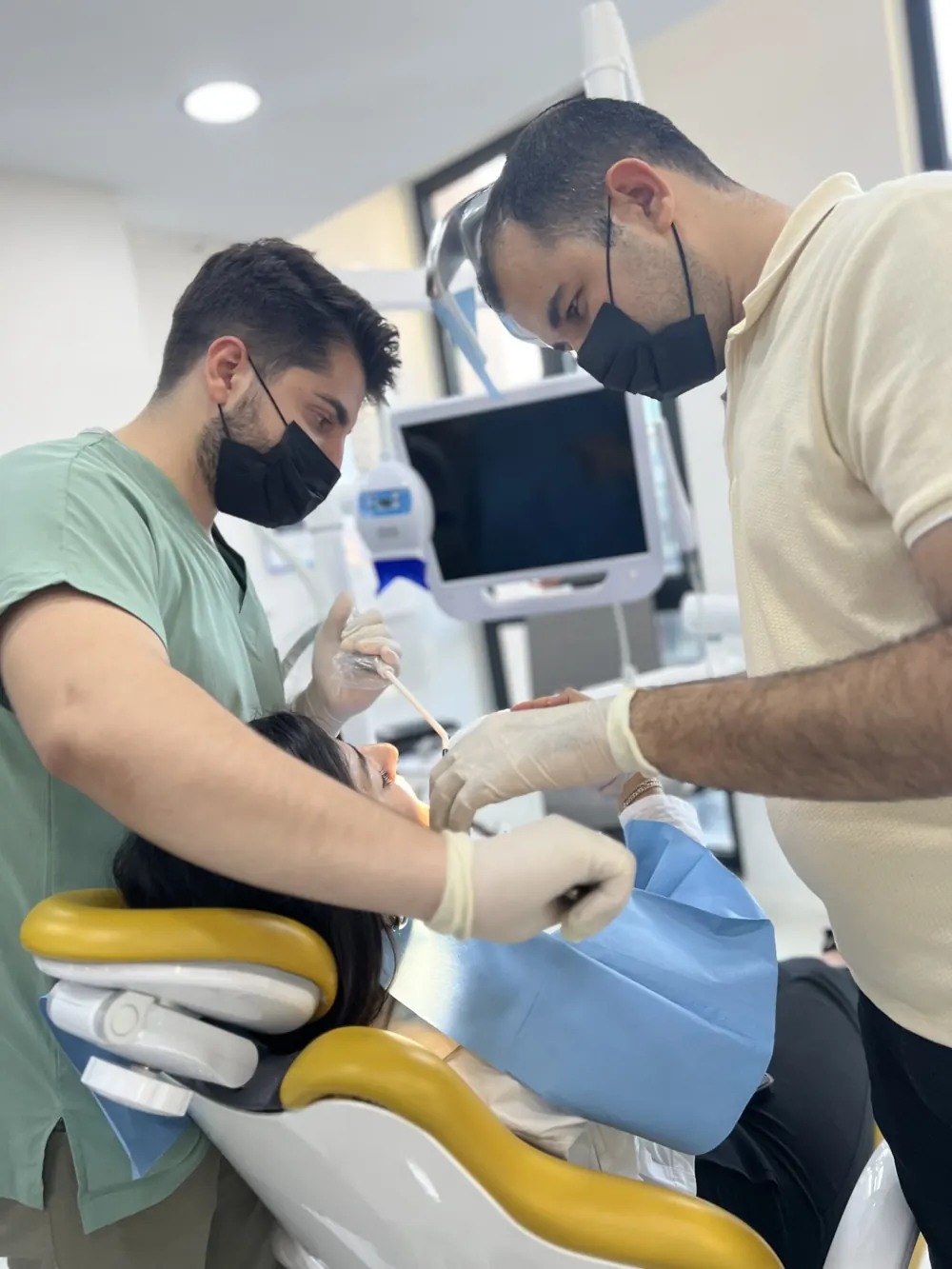
Surgical procedures are performed at the practice under local anesthesia and in sterile conditions. Beforehand, an X-ray is used to assess the relationship between the tooth and the nerve.
Which procedures do we perform?
- Removal of impacted and partially impacted wisdom teeth
- Broken roots and difficult extractions
- Bone grafting before implants
- Minor cyst and soft tissue procedures
After an extraction
On the first day, avoiding spitting, hot drinks and smoking, applying ice and taking the prescribed medication regularly all help healing. If there are stitches, they are usually removed after about a week.
Treatment steps
- 1
Examination and X-ray
The position of the tooth and the surrounding structures are examined.
- 2
Anesthesia
Local anesthesia is given.
- 3
Procedure
The tooth is gently removed, sectioned if necessary.
- 4
Follow-up
Healing is monitored and stitches are removed if needed.
Frequently asked questions
Do all wisdom teeth need to come out?
No. Wisdom teeth that are healthy, fully erupted and easy to clean can stay. Removal is recommended if there is pain, infection or damage to the neighboring tooth.
Will there be swelling after the extraction?
Especially after impacted tooth removal, there may be swelling for 2–3 days; it goes down with ice and the recommended medication.
When can I eat normally again?
Lukewarm, soft foods are recommended on the first day; most people return to their normal diet within a few days.
This page is for general information. The right treatment and its duration are decided by your dentist after an examination.